A Luxury Golden Triangle Tour 5 Days offers an opportunity to explore three important North Indian destinations without trying to cover their main attractions in a single rushed journey. Delhi introduces visitors to historic monuments and the capital’s changing identity, Agra presents some of India’s finest Mughal architecture, and Jaipur reveals the forts, palaces and traditions of Rajasthan.
Among Luxury Golden Triangle Tours of India, this five-day route is a practical choice for international visitors who want a combination of heritage sightseeing, comfortable transfers and time to explore. The suggested journey starts in Delhi and ends in Jaipur.
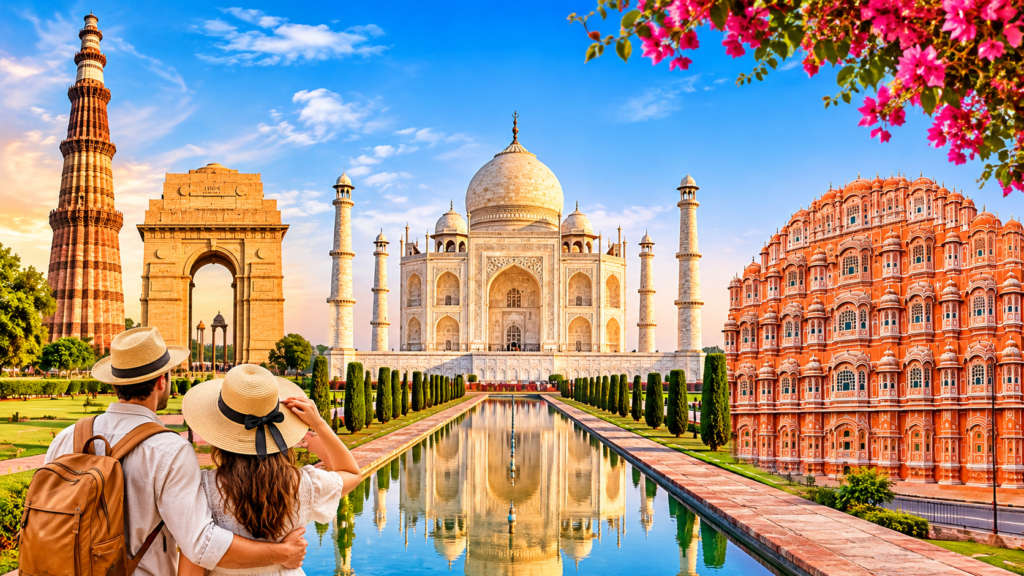
Five Days Across Delhi, Agra and Jaipur
Day 1 – Explore Delhi’s Historical Landmarks
Begin in Delhi with Qutub Minar and Humayun’s Tomb. Qutub Minar is a 12th-century masonry tower within a historic complex, while Humayun’s Tomb is an important Mughal garden mausoleum. Both help explain the architectural influences that shaped later monuments in North India.
India Gate can be added if time permits. Since Delhi traffic can affect sightseeing schedules, arrange nearby attractions together and avoid an overly crowded arrival-day plan.
Day 2 – Travel from Delhi to Agra
Travel to Agra by private vehicle or another pre-arranged transfer. After checking in, visit Agra Fort, a red sandstone complex whose construction was begun under Emperor Akbar in 1565. Later Mughal rulers added buildings, including marble structures associated with Shah Jahan. Its courtyards, audience halls and palaces reveal how the fort served as both a military stronghold and an imperial residence.
Allow time for a relaxed evening rather than adding several distant attractions after the journey.
Day 3 – Visit the Taj Mahal at Sunrise
The Taj Mahal is the central highlight of many Taj Mahal Luxury Tours. Commissioned by Shah Jahan in memory of Mumtaz Mahal, the white-marble mausoleum is known for its balanced design, calligraphy, garden layout and detailed pietra dura stone inlay.
The monument opens 30 minutes before sunrise and closes 30 minutes before sunset on normal visiting days. It is closed to general visitors every Friday. After the visit, have breakfast and consider another Agra attraction, such as Itimad-ud-Daulah or Mehtab Bagh, depending on your interests and available time.
Day 4 – Drive from Agra to Jaipur
Travel towards Jaipur, with an optional stop at Fatehpur Sikri. Built under Emperor Akbar, the former Mughal capital was developed between 1571 and 1573. Its red sandstone complex includes palaces, courtyards, religious buildings and the impressive Buland Darwaza. A visit adds historical depth to the journey, but should be planned around driving time and the site’s visiting hours.
Day 5 – Discover Jaipur’s Forts and Palaces
Start with Amber Fort, around 11 kilometres from central Jaipur. Commissioned by Maharaja Man Singh I in 1592, it combines Rajput planning with Mughal-influenced features. Its courtyards and Sheesh Mahal, or Mirror Palace, are among its notable features.
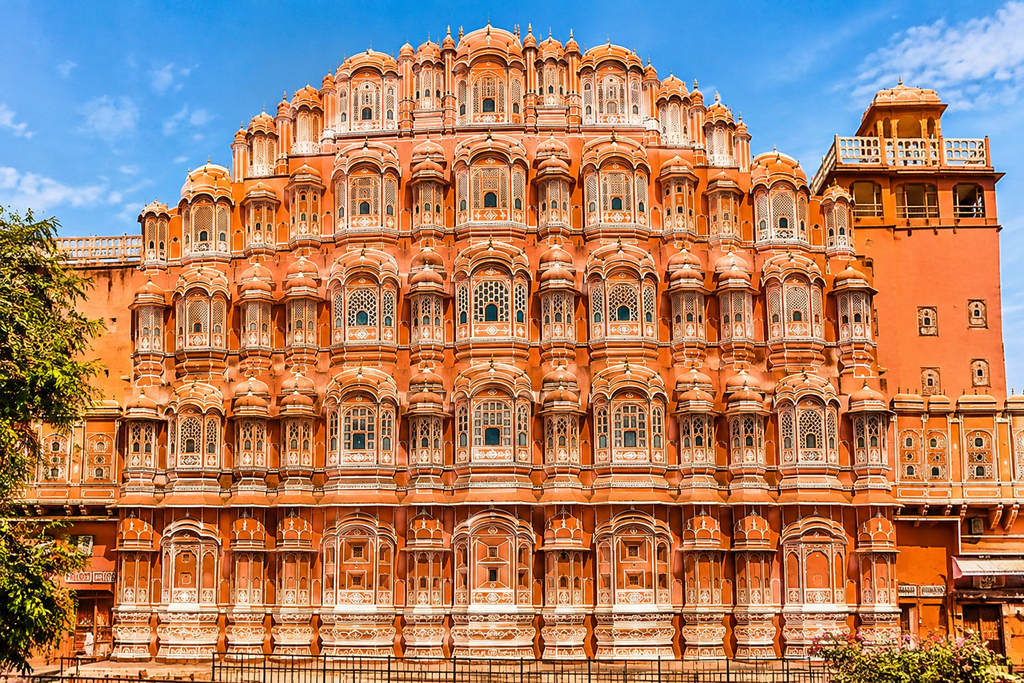
Continue to City Palace, founded by Maharaja Sawai Jai Singh II in 1727. The complex contains courtyards, galleries and buildings developed by successive rulers. Finish with Hawa Mahal, built in 1799. Its distinctive façade has 953 small windows, traditionally associated with allowing royal women to observe street life while remaining screened from public view.
What Makes a Private Luxury Tour Different?
A well-planned private journey is not simply a standard sightseeing route with a premium label. It can provide a dedicated vehicle, flexible departure times, hotel options suited to the traveller’s preferences and the opportunity to spend longer at selected monuments. A knowledgeable local guide can also explain historical details that may be missed during an independent visit.
Before booking, confirm the hotel category, vehicle type, guide arrangements, monument tickets, meals, luggage allowances and any additional charges. Ask whether the journey ends in Jaipur or includes a return transfer to Delhi. These details should be agreed in writing.
Best Time to Plan a Luxury Golden Triangle Tour 5 Days
The period from October to March is generally considered suitable for exploring Delhi, Agra and Jaipur because temperatures are usually more comfortable for outdoor sightseeing.
Winter mornings can be foggy, particularly in Delhi and Agra, which may affect road journeys and sunrise photography. April to June can be extremely hot, especially in Rajasthan, so travellers visiting during these months should plan outdoor activities carefully and stay hydrated.
The monsoon season, generally from July to September, brings rainfall and more humid conditions. Although the weather can be less predictable, it also offers a different atmosphere for exploring India’s historic cities.
Choosing suitable travel dates can make a significant difference to your overall experience.
Essential Travel Tips Before You Book
A little preparation can make your journey more comfortable and enjoyable.
- Carry comfortable walking shoes because historic forts and monuments often involve considerable walking.
- Book popular hotels and guided sightseeing arrangements in advance, particularly during the peak winter season.
- Check monument opening hours and weekly closure days before finalising your itinerary.
- Keep a valid identification document and any required travel documents with you.
- Carry drinking water, sun protection and suitable clothing according to the season.
- Allow additional time for road journeys because traffic conditions can change.
- Confirm photography rules and monument entry requirements before visiting.
International travellers should also check current Indian visa and entry requirements before departure.
Conclusion
Delhi, Agra and Jaipur each offer a different perspective on India’s history and architecture. Five days provide a useful introduction to the Golden Triangle when travel time and sightseeing are planned carefully. Check monument schedules before departure and choose an itinerary that leaves room for the experience, not just the checklist of attractions.or travellers looking to explore India’s famous Golden Triangle without unnecessary rushing, this five-day journey provides a rewarding balance of history, culture and comfort. Plan your route carefully, confirm travel arrangements in advance and leave enough time to appreciate each destination beyond its famous landmarks.